Understanding How Dental Implants Eliminate Clicking Sounds and Embarrassing Slippage During Conversations
The Silent Confidence of Modern Tooth Replacement
For countless individuals living with traditional dentures, the fear of an unexpected click or slip during conversation can transform even the simplest social interaction into a source of anxiety. Whether presenting at a business meeting, sharing a laugh with friends, or enjoying a romantic dinner, the unpredictability of removable dentures can undermine confidence and diminish quality of life. Fortunately, modern dentistry offers a remarkably effective solution that addresses these concerns at their very foundation.
Dental implants in Plymouth represent a paradigm shift in tooth replacement technology, offering stability and functionality that closely mirrors natural teeth. Unlike conventional dentures that rest upon the gums and rely on adhesives or suction for retention, implants integrate directly with the jawbone, creating a permanent and secure foundation. This fundamental difference in design eliminates the mechanical movement that causes those telltale clicking sounds and embarrassing shifts during speech.
Why Traditional Dentures Create Unwanted Noises
The clicking and clacking associated with dentures stems from their inherent mobility. Traditional dentures sit atop the gum tissue and, despite careful fitting, possess a degree of movement that becomes more pronounced over time. As the jawbone naturally resorbs following tooth loss, the fit of dentures deteriorates, creating gaps between the prosthetic and the underlying tissue. This space allows the denture to shift slightly with tongue movement, jaw articulation, and the muscular actions involved in speech.
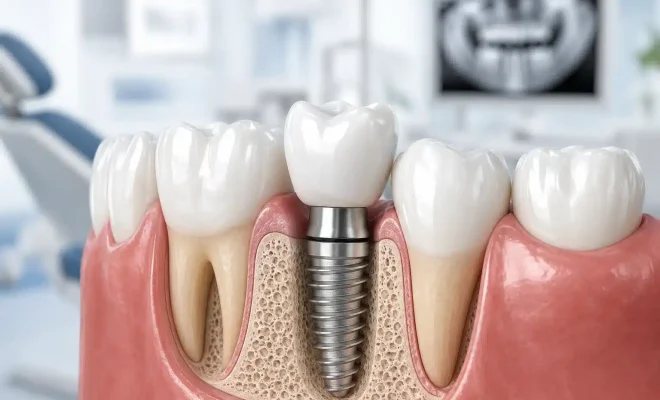
When comparing the fundamental structural differences between implant-supported and traditional removable dentures, the superiority of implant stability becomes immediately apparent. Each syllable pronounced, particularly those requiring precise tongue placement against the teeth, can cause subtle denture displacement. The resulting contact between the acrylic base and remaining natural structures produces the characteristic clicking that many denture wearers find mortifying.
The Mechanics of Implant Stability
Osseointegration: The Foundation of Security
The remarkable stability of dental implants in Plymouth and throughout the United Kingdom derives from a biological process called osseointegration. This phenomenon occurs when titanium implant posts, surgically placed into the jawbone, gradually fuse with the surrounding bone tissue over several months. The result is a bond so secure that it rivals the strength of natural tooth roots.
This biological integration means that implant-supported teeth become, in essence, permanent fixtures within the mouth. They cannot shift, slide, or produce clicking sounds because they are anchored with the same stability as natural teeth. The implant posts extend through the gum tissue into the dense jawbone below, creating a foundation that remains utterly immovable during all oral functions, including speaking, chewing, and laughing.
How Implants Prevent Slippage During Speech
Speech requires intricate coordination between the tongue, lips, teeth, and palate. Certain sounds, particularly sibilants and plosives, place considerable force upon the teeth. With traditional dentures, these forces can dislodge the prosthetic, causing it to slip forward, sideways, or even drop slightly. Such movements not only produce embarrassing sounds but can also alter speech patterns, causing slurring or whistling.
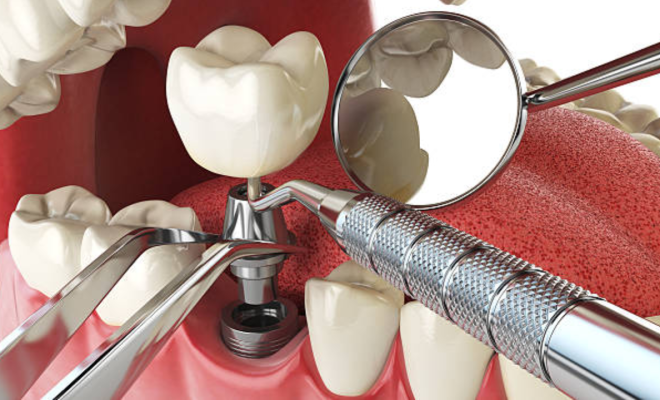
Implant-supported restorations eliminate this concern entirely. Whether supporting a single crown, a bridge, or a full-arch prosthetic, implants provide unwavering stability. The restoration attaches directly to the implant posts through precision-engineered abutments, creating a connection that withstands the considerable forces generated during normal oral function. This security allows individuals to speak with the same confidence and clarity they enjoyed with natural teeth.
Additional Benefits Beyond Stability
Whilst the elimination of clicking and slippage represents a significant advantage, implants offer numerous additional benefits. They preserve jawbone density by providing the mechanical stimulation that bone tissue requires to maintain its mass. This prevents the facial collapse often associated with long-term denture wear. Furthermore, implants offer superior longevity compared to traditional dentures, often lasting decades with proper care.
The enhanced comfort of implants cannot be overstated. Without bulky palate coverage or pressure points against sensitive gum tissue, implant-supported restorations feel remarkably natural. Many recipients report forgetting they have artificial teeth altogether, a testament to the seamless integration these restorations achieve.
Reclaiming Social Confidence Through Advanced Dentistry
The psychological impact of eliminating denture-related anxieties extends far beyond mere convenience. When individuals no longer worry about unexpected clicks or slips during conversation, they engage more freely in social situations, pursue professional opportunities with greater confidence, and enjoy improved overall well-being. For those seeking comprehensive information about the differences between implant and denture options, understanding these quality-of-life improvements proves essential to making informed decisions about tooth replacement. Modern implant dentistry offers not simply restored function, but renewed confidence and freedom in daily life.