How Dental Implants Support Adjacent Teeth and Prevent Shifting Over Time
Understanding the Domino Effect of Missing Teeth
When a tooth goes missing, whether through extraction, accident, or decay, the consequences extend far beyond the obvious gap in one’s smile, underpinning the importance of dental implants in Bromley. The remaining teeth, once part of a perfectly balanced dental architecture, suddenly find themselves without a crucial neighbour. What follows is a gradual but relentless movement that can compromise the entire structure of the mouth. The adjacent teeth begin to drift towards the space, whilst the opposing tooth may start to erupt downwards or upwards, seeking the contact it has lost. This phenomenon, known as pathological tooth migration, can lead to a cascade of problems, including bite misalignment, jaw pain, and further tooth loss.
The human mouth operates as a finely tuned system where each tooth supports and stabilises its neighbours. Remove one component, and the entire equilibrium becomes vulnerable. Delaying tooth replacement can lead to significant oral health complications, making timely intervention essential for maintaining proper dental function and aesthetics.
The Biomechanical Role of Dental Implants
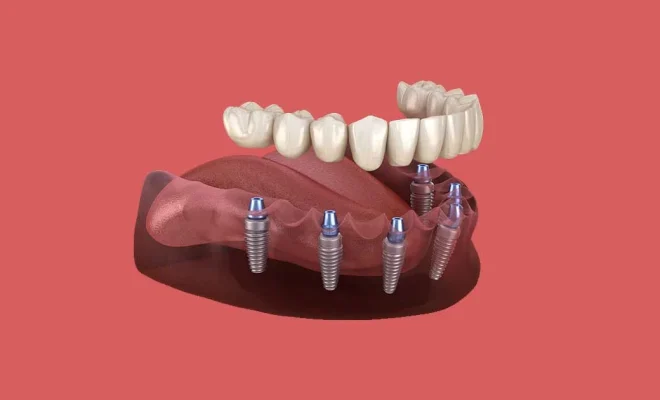
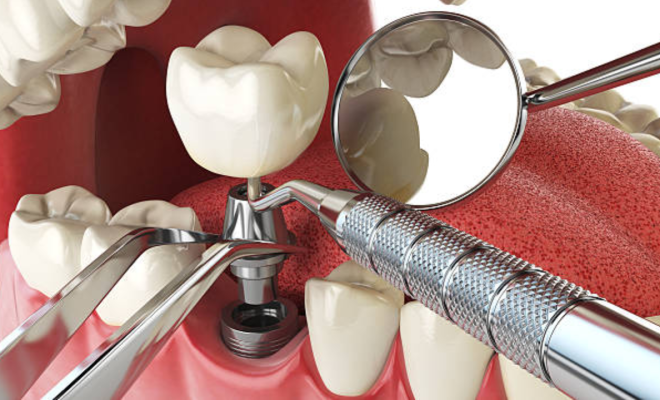
Modern dentistry offers a solution that goes beyond merely filling a gap. Dental implants replicate the natural tooth structure by anchoring directly into the jawbone, creating a stable foundation that mimics the root of a natural tooth. This titanium post, once integrated with the bone through a process called osseointegration, provides the resistance and support that adjacent teeth require to maintain their proper position.
Creating Structural Stability
Unlike traditional bridges or dentures, which sit atop the gum line, dental implants provide genuine structural support. The implant acts as a physical barrier, preventing neighbouring teeth from drifting into the vacant space. This stabilising effect extends throughout the dental arch, maintaining the natural spacing and alignment that keeps the bite functioning correctly.
The presence of an implant also preserves the delicate balance of forces within the mouth. When chewing, biting, or even speaking, teeth exert pressure on one another. These forces, when properly distributed, help maintain tooth position and stimulate healthy bone growth. An implant restores this natural force distribution, ensuring that adjacent teeth continue to receive the biomechanical signals they need to remain stable and healthy.
Preventing Bone Loss and Maintaining Facial Structure
Beyond supporting adjacent teeth, dental implants play a crucial role in preserving the underlying jawbone. When a tooth is lost, the bone that once supported it begins to resorb, gradually diminishing in height and width. This bone loss not only affects the stability of neighbouring teeth but can also alter facial contours, leading to a sunken appearance that ages the face prematurely. Implants stimulate the bone through normal chewing forces, encouraging the body to maintain bone density in the area.
This preservation of bone volume creates a stable environment for the entire dental arch. Adjacent teeth rely on healthy bone levels to maintain their own anchorage, and dental implants help maintain the bone structure that keeps surrounding teeth secure. The relationship between implant, bone, and adjacent teeth forms a mutually supportive system that promotes long-term oral health.
Long-Term Benefits for Oral Health
The advantages of choosing dental implants extend well into the future. Patients who opt for implant treatment often experience fewer complications with adjacent teeth over the years. The prevention of tooth migration means reduced risk of periodontal disease, which can develop when teeth shift into awkward positions that are difficult to clean properly. Maintaining proper alignment also reduces strain on the temporomandibular joint, potentially preventing jaw disorders that arise from bite imbalances.
Furthermore, single tooth implants offer comprehensive protection against adjacent tooth movement, eliminating the need to alter healthy neighbouring teeth as would be required with traditional bridge work. This conservative approach preserves natural tooth structure whilst providing superior support.
Preserving Your Smile for Years to Come
The decision to replace a missing tooth with an implant represents an investment in comprehensive oral health. By providing structural support, maintaining bone density, and preventing the cascade of problems associated with tooth migration, implants offer a solution that addresses both immediate concerns and long-term stability. The technology behind dental implants continues to advance, offering patients increasingly reliable and aesthetically pleasing results that stand the test of time. For those facing tooth loss, understanding the protective role implants play in supporting adjacent teeth makes the choice clear: prevention today ensures a healthier, more stable smile tomorrow.