Empowering Oral Health Through Customised Biofeedback Techniques

Understanding Modern Dental Innovation
The landscape of dental care has evolved significantly in recent years, with technological advancements revolutionising how dental professionals approach patient care. For those seeking a private dentist Manchester residents trust, the integration of biofeedback techniques represents a remarkable step forward in personalised dental treatment.
The Science Behind Dental Biofeedback
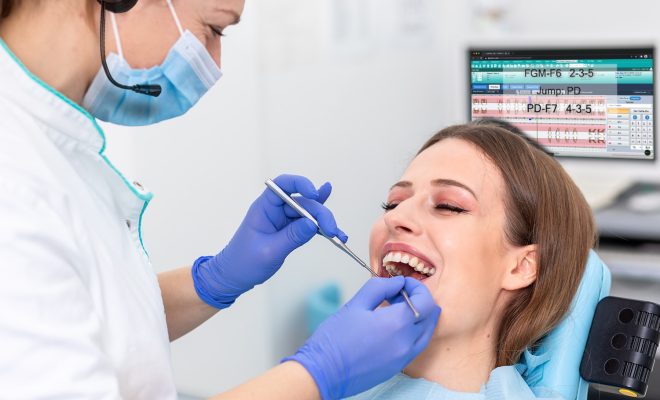
Biofeedback in dentistry involves monitoring and measuring physiological processes to help patients gain greater awareness and control over their oral health. Recent studies on dental biofeedback applications have shown significant improvements in patient outcomes, particularly in areas such as bruxism management and temporomandibular joint (TMJ) disorders.
Key Components of Dental Biofeedback
Modern biofeedback systems in dentistry typically incorporate several essential elements:
- Real-time monitoring devices
- Visual or auditory feedback mechanisms
- Data analysis software
- Customised treatment protocols
Applications in Contemporary Dental Practice
Innovative research into biofeedback applications in dentistry has revealed numerous benefits for both practitioners and patients. These techniques are particularly valuable when implemented by an experienced private dentist Manchester practitioners recommend, as they can be tailored to individual patient needs.
Treatment Areas Benefiting from Biofeedback
The implementation of biofeedback techniques has shown remarkable results in various dental conditions:
- Muscle tension and TMJ disorders
- Teeth grinding and clenching
- Anxiety management during dental procedures
- Post-treatment rehabilitation
Personalised Treatment Approaches
Modern dental practices are increasingly adopting customised biofeedback protocols to enhance treatment outcomes. Clinical research demonstrates that personalised biofeedback interventions can significantly improve patient compliance and treatment effectiveness. When seeking a private dentist Manchester experts emphasise the importance of selecting a practice that incorporates these advanced techniques into their treatment protocols.
Integration with Traditional Dental Care
The fusion of biofeedback techniques with conventional dental treatments has created a more comprehensive approach to oral healthcare. This integration allows dental professionals to address both the physical and neurological aspects of dental conditions, resulting in more effective treatment outcomes.
Enhanced Patient Experience
Biofeedback systems have significantly improved the patient experience in several ways:
- Reduced anxiety during dental procedures
- Better understanding of personal oral health patterns
- Improved long-term treatment outcomes
- Greater sense of control over dental health
Technology and Future Developments
The continuous advancement of dental technology suggests an exciting future for biofeedback applications in dentistry. Emerging trends include:
- Artificial intelligence integration for more precise feedback
- Wireless monitoring systems for at-home use
- Enhanced data analytics for treatment planning
- Virtual reality applications in dental biofeedback
Professional Implementation
The successful implementation of biofeedback techniques requires skilled professionals who understand both the technical aspects and practical applications of these systems. Dental practices investing in these technologies often provide additional training to their staff to ensure optimal utilisation of biofeedback equipment.
Moving Forward with Dental Innovation
As dental practices continue to evolve, the role of customised biofeedback techniques becomes increasingly significant in providing comprehensive oral healthcare. These innovations represent a crucial step forward in the field of dentistry, offering patients more control over their oral health whilst providing practitioners with valuable tools for treatment optimisation. The future of dentistry lies in this harmonious blend of traditional expertise and modern technology. By embracing these advancements, dental professionals can offer more effective, personalised treatment options that benefit both practitioners and patients alike.
Advancing Dental Care Through Technology
The integration of customised biofeedback techniques in modern dentistry marks a significant milestone in oral healthcare evolution. As these technologies continue to develop and become more sophisticated, patients can look forward to increasingly personalised and effective dental treatments. This progress in dental care technology ensures that practices can provide more comprehensive solutions whilst maintaining the highest standards of patient care and comfort.